Jakarta (ANTARA) – Kementerian Perindustrian (Kemenperin) menargetkan keterlibatan industri kecil menengah (IKM) dalam ekosistem kendaraan bermotor listrik berbasis baterai (KBLBB), khususnya motor listrik nasional (molinas).
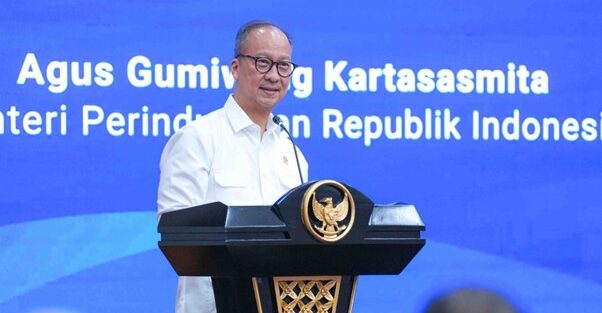
Menteri Perindustrian (Menperin) Agus Gumiwang Kartasasmita menegaskan pengembangan industri kendaraan listrik harus memberikan dampak berganda bagi struktur industri nasional, termasuk membuka peluang bagi IKM untuk menjadi bagian dari rantai pasok industri besar.
“Target kami bukan sekadar semakin banyak IKM yang mendapatkan pembinaan, tetapi juga memenuhi persyaratan industri, karena IKM harus mampu memenuhi kualifikasi sebagai pemasok, masuk ke dalam rantai pasok, dan pada akhirnya memperoleh pesanan secara berkelanjutan,” kata Menperin dalam keterangannya yang dikonfirmasi di Jakarta, Selasa.
Menurut dia, penguatan IKM tidak cukup hanya melalui peningkatan kapasitas produksi, tetapi harus diarahkan agar pelaku usaha mampu memenuhi standar dan kualifikasi sebagai pemasok industri.
Upaya tersebut mulai menunjukkan hasil melalui keterlibatan dua IKM binaan Kemenperin, yakni PT Kannindo Metal Industri dan PT Multikon Rekatama Industri, yang masuk dalam ekosistem pendukung motor listrik nasional yang diluncurkan Presiden Prabowo Subianto pada 13 Agustus 2026 di Cikarang, Jawa Barat.
Kedua IKM tersebut telah mampu memproduksi komponen boks baterai dan bracket baterai untuk molinas Alva yang berada di bawah PT Electra Mobilitas Indonesia.
Keberhasilan ini menunjukkan bahwa industri kecil nasional memiliki peluang besar untuk mengambil peran lebih luas dalam rantai pasok kendaraan listrik.
Menurut Menperin, Direktorat Jenderal Industri Kecil, Menengah, dan Aneka (IKMA) menjalankan berbagai program pengembangan IKM komponen alat angkut, mulai dari identifikasi IKM potensial, peningkatan kemampuan teknologi dan kualitas, pengembangan prototipe, pengujian dan sertifikasi, hingga integrasi IKM ke dalam rantai pasok industri kendaraan listrik.
Adapun pengembangan IKM dalam ekosistem kendaraan listrik dilakukan dengan pendekatan supplier development, yaitu menjadikan kebutuhan industri besar dan original equipment manufacturer (OEM) sebagai dasar pembinaan.
Melalui pendekatan tersebut, kemampuan IKM lokal dipetakan dan disesuaikan dengan kebutuhan komponen kendaraan listrik.
IKM potensial kemudian menjalani asesmen kesiapan pemasok untuk mengetahui berbagai aspek yang masih perlu diperkuat.
“Pembinaan IKM harus dimulai dari kebutuhan pasar. OEM dan tier-1 menyampaikan kebutuhan serta standar yang harus dipenuhi, kemudian pemerintah melakukan pembinaan agar IKM mampu menutup kesenjangan tersebut melalui penguatan teknologi, SDM, kualitas produk, standardisasi, serta akses pengujian,” jelasnya.
Lebih lanjut, pihaknya juga terus memperluas peluang lokalisasi komponen kendaraan listrik dengan meningkatkan kemampuan IKM secara bertahap sesuai tingkat kesiapan teknologi dan kompleksitas produk.
Pada tahap awal, IKM dapat berkontribusi melalui produksi komponen yang teknologinya telah dikuasai, seperti komponen berbasis logam, plastik, karet, jok, bracket, housing, sheet metal, fastener, wiring harness, serta berbagai komponen pendukung kendaraan listrik lainnya.
Sementara itu, IKM dengan kemampuan engineering dan manufaktur yang lebih tinggi akan diarahkan untuk menghasilkan komponen bernilai tambah lebih besar, seperti battery housing, motor housing, precision machining, komponen kelistrikan, hingga komponen pendukung battery pack dan power electronics.
Direktur Jenderal Industri Kecil, Menengah, dan Aneka (IKMA) Kemenperin Reni Yanita menyampaikan penguatan kemitraan antara IKM dengan industri besar, OEM, dan tier-1 menjadi salah satu instrumen penting untuk mempercepat integrasi IKM ke dalam rantai pasok kendaraan listrik.
Selain itu, Kemenperin juga menyelenggarakan business matching yang tidak hanya mempertemukan IKM dengan industri besar, tetapi juga mencakup penyampaian spesifikasi komponen, supplier assessment, pengembangan prototipe, pengujian, hingga proses kualifikasi pemasok
Jakarta (ANTARA) – The Ministry of Industry is targeting the involvement of small and medium-sized enterprises (SMEs) in the battery-based electric motor vehicle (KBLBB) ecosystem, specifically regarding national electric motorcycles (*molinas*).
Minister of Industry Agus Gumiwang Kartasasmita emphasized that the development of the electric vehicle industry must generate a multiplier effect for the national industrial structure, including creating opportunities for SMEs to become part of the supply chains of large industries.
“Our goal is not merely to have more SMEs receive guidance, but also to ensure they meet industrial requirements; SMEs must be capable of qualifying as suppliers, entering the supply chain, and ultimately securing sustainable orders,” the Minister stated in Jakarta on Tuesday.
According to him, strengthening SMEs requires more than just increasing production capacity; efforts must be directed toward enabling business players to meet the standards and qualifications required of industrial suppliers.
These efforts are already yielding results through the involvement of two Ministry-supported SMEs—PT Kannindo Metal Industri and PT Multikon Rekatama Industri—in the supporting ecosystem for the national electric motorcycle launched by President Prabowo Subianto on August 13, 2026, in Cikarang, West Java.
Both SMEs have successfully produced battery box and battery bracket components for the Alva electric motorcycle, a brand under PT Electra Mobilitas Indonesia.
This success demonstrates that the national small-scale industry sector has significant potential to play a broader role in the electric vehicle supply chain. According to the Minister of Industry, the Directorate General of Small, Medium, and Miscellaneous Industries (IKMA) is implementing various development programs for small and medium industries (IKM) producing transport equipment components. These programs range from identifying potential IKM and enhancing their technological capabilities and quality to prototype development, testing, certification, and integration into the electric vehicle industry supply chain.
The development of IKM within the electric vehicle ecosystem employs a supplier development approach, using the requirements of large industries and original equipment manufacturers (OEMs) as the foundation for guidance and support.
Through this approach, the capabilities of local IKM are mapped and aligned with the specific component needs of electric vehicles.
Potential IKM then undergo a supplier readiness assessment to identify areas requiring further strengthening.
“Support for IKM must begin with market demand. OEMs and Tier-1 suppliers communicate their requirements and necessary standards; the government then provides guidance to help IKM bridge the gaps by strengthening technology, human resources, product quality, standardization, and access to testing facilities,” the Minister explained.
Furthermore, the Ministry continues to expand opportunities for localizing electric vehicle components by gradually enhancing IKM capabilities based on technology readiness levels and product complexity.
In the initial stage, IKM can contribute by producing components involving technologies they have already mastered—such as parts made of metal, plastic, or rubber, as well as seats, brackets, housings, sheet metal, fasteners, wiring harnesses, and various other supporting components for electric vehicles.
Meanwhile, IKM with advanced engineering and manufacturing capabilities will be directed toward producing higher value-added components, such as battery housings, motor housings, precision machined parts, electrical components, and parts supporting battery packs and power electronics.
Reni Yanita, Director General of Small, Medium, and Miscellaneous Industries (IKMA) at the Ministry of Industry, stated that strengthening partnerships between IKM and large industries, OEMs, and Tier-1 suppliers is a crucial instrument for accelerating the integration of IKM into the electric vehicle supply chain. In addition, the Ministry of Industry organizes business matching activities that not only connect small and medium-sized industries (IKM) with large-scale industries but also encompass the communication of component specifications, supplier assessments, prototype development, testing, and the supplier qualification process.